Artificial intelligence is no longer a futuristic concept in digital marketing—it is already transforming how brands connect with audiences, optimize campaigns, and drive growth. Over the next five years, AI is expected to become even more deeply integrated into every aspect of digital marketing, from content creation and customer personalization to predictive analytics and automation. Explore how AI is transforming SEO, content marketing, advertising, and customer engagement in AI in Digital Marketing. Businesses that adapt to these changes will likely gain a competitive edge, while those that ignore them may struggle to keep pace.
1. Hyper-Personalization Will Become the Standard
One of AI’s biggest impacts on digital marketing will be advanced personalization. Consumers increasingly expect tailored experiences, and AI allows brands to deliver them at scale. Instead of sending the same message to every customer, businesses can use AI to analyze behavior, preferences, browsing history, and purchase patterns to create individualized experiences. Learn how AI-powered SEO tools can improve keyword research, content optimization, and search rankings.
For example, AI can recommend products based on previous interactions, customize email content for different audience segments, and adjust website experiences in real time. Similar to how Amazon and Netflix use recommendation engines today, more brands across industries will adopt this approach.
In the next five years, hyper-personalization will go beyond product suggestions. AI may help deliver dynamic pricing, personalized ad creatives, and one-to-one marketing experiences that improve engagement and conversions.
2. Content Creation Will Become Faster and Smarter
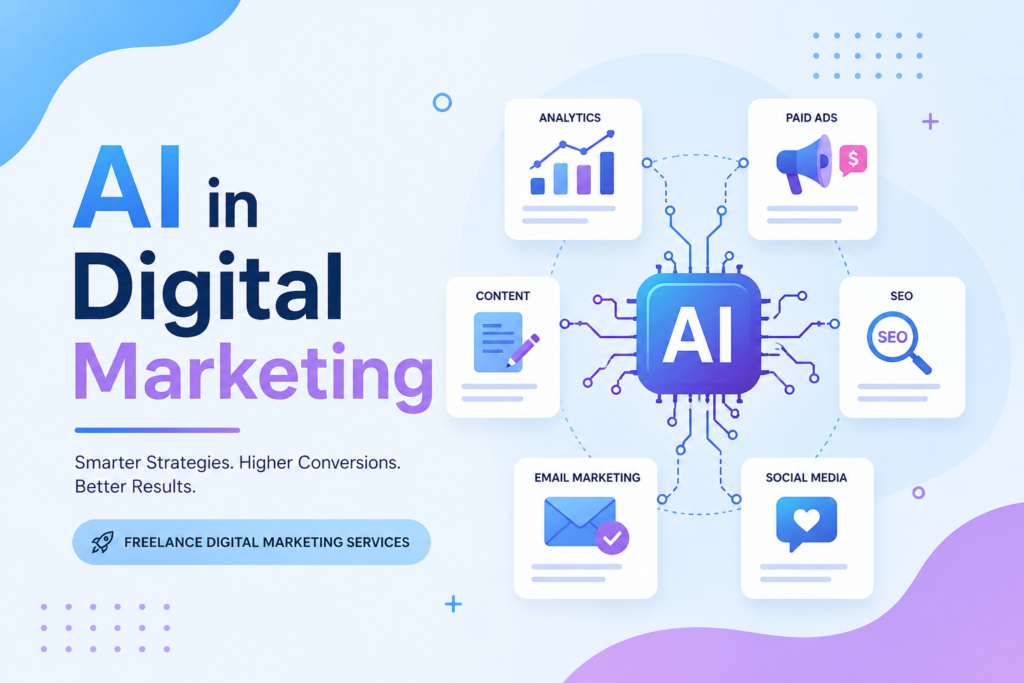
AI is already helping marketers generate blog ideas, social media captions, ad copy, and email subject lines. In the future, AI-powered tools will become a standard part of content workflows, helping marketers produce content more efficiently while improving performance.
Tools from companies like OpenAI can assist with drafting content, keyword optimization, and idea generation. However, rather than replacing human creativity, AI will likely act as a collaborator. Marketers will use it to speed up research, automate repetitive writing tasks, and improve content quality. Learn AI-powered digital marketing, SEO, Google Ads, and automation through practical training with the Digital Marketing Courses in Andheri.
AI may also help predict what topics will trend, suggest headlines likely to drive clicks, and optimize content for search intent. As search engines evolve, marketers will rely on AI not only to create content but also to ensure it aligns with user expectations and search behavior.

3. SEO Will Shift Toward AI-Driven Optimization
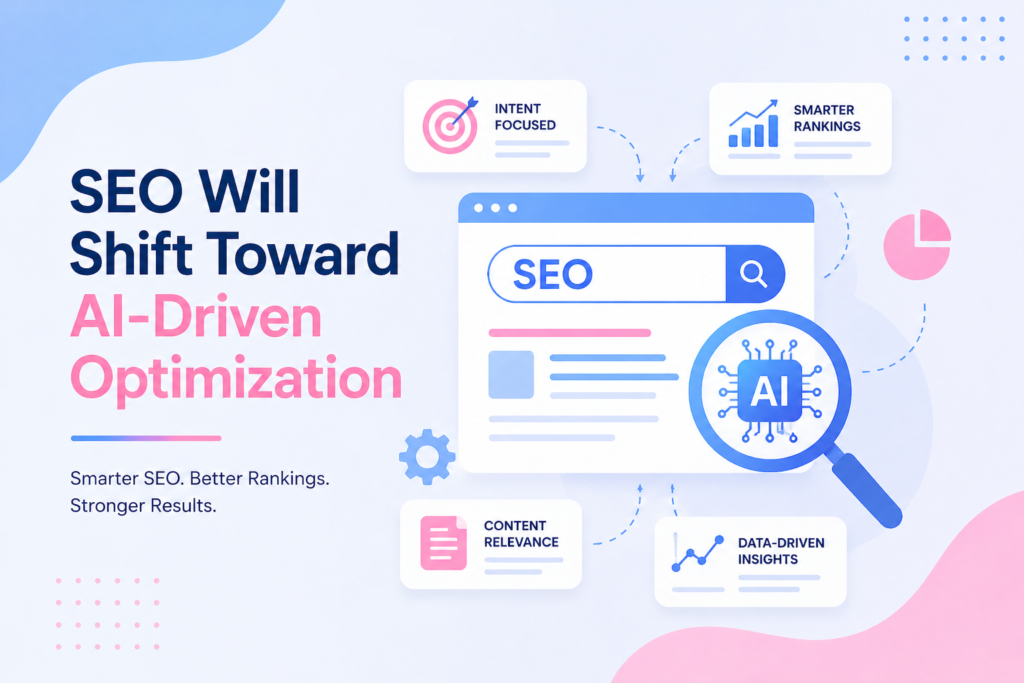
Search engine optimization is expected to change significantly as AI influences how search engines process and deliver results. Search platforms increasingly use AI to understand intent, context, and conversational queries. This means traditional keyword-focused SEO may become less effective on its own.
Over the next five years, marketers will need to optimize for semantic search, user intent, and AI-generated search experiences. Businesses using platforms like Google will likely focus more on creating authoritative, useful content rather than simply targeting keywords.
AI tools will also help marketers analyze ranking opportunities, identify content gaps, and automate technical SEO tasks. Additionally, the rise of zero-click searches and AI-generated answers may force brands to rethink traffic strategies and focus more on visibility, authority, and brand recognition.
4. Advertising Will Become More Automated
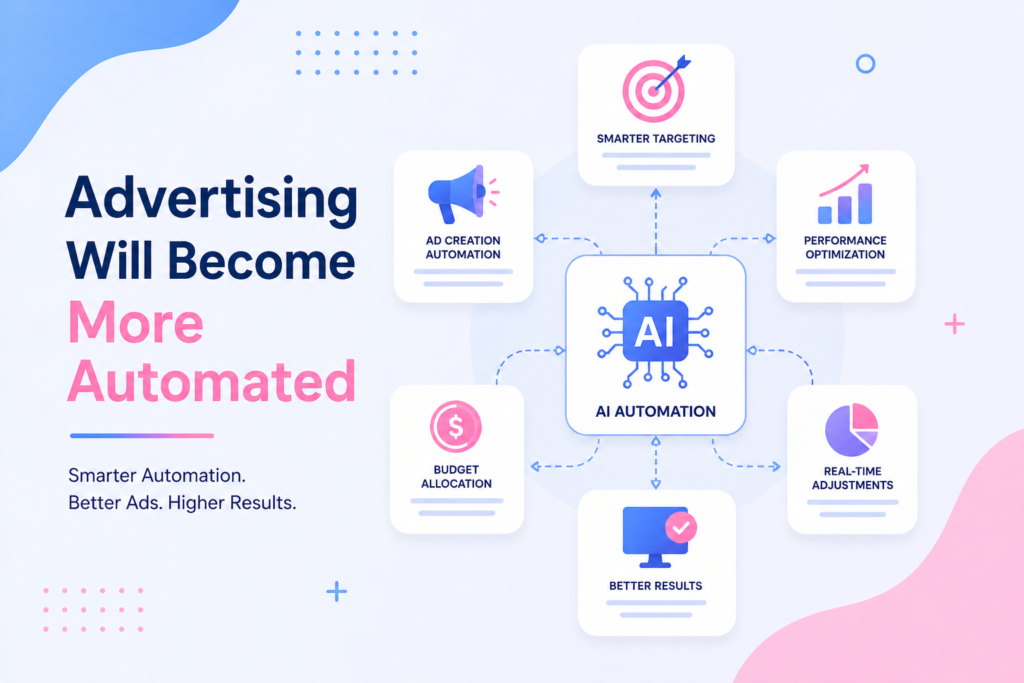
Paid advertising will become increasingly driven by AI. Platforms already use machine learning to optimize bidding, targeting, and ad placements, but these capabilities are likely to become even more advanced.
In the coming years, AI may handle audience segmentation, creative testing, budget allocation, and performance optimization with minimal manual input. Instead of marketers manually adjusting campaigns, AI systems may automatically shift spending toward the highest-performing channels and audiences.
Platforms such as Meta and Google are already moving in this direction with automated campaign products. The next stage could include AI-generated ad creatives that adapt based on user behavior in real time.
This could lead to more efficient campaigns, reduced ad waste, and stronger return on investment.
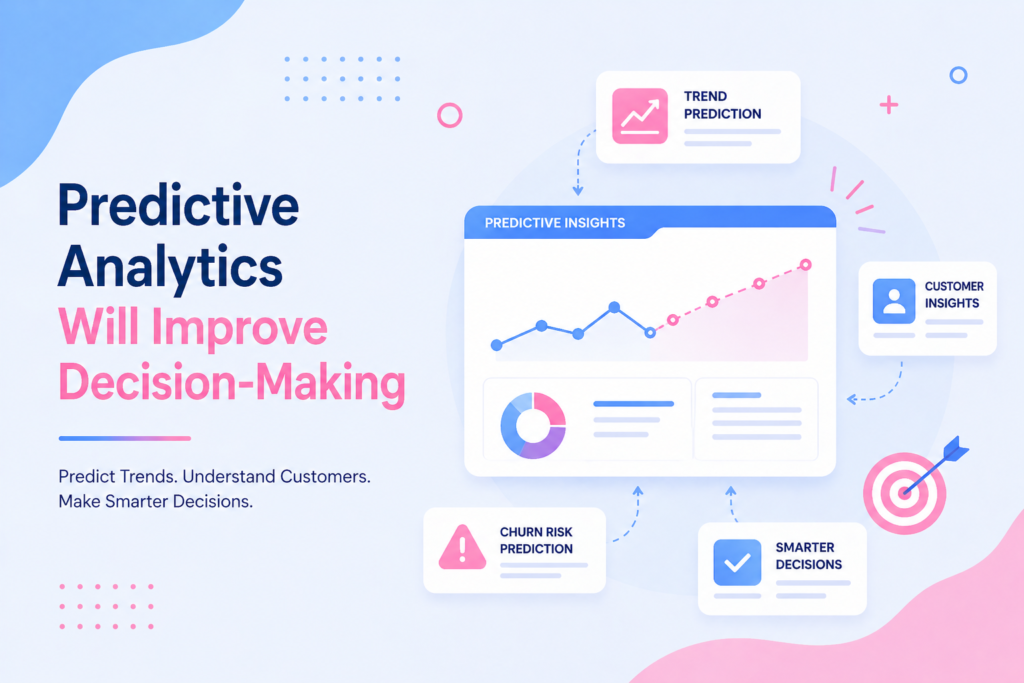
5. Predictive Analytics Will Improve Decision-Making
Another major shift will be the rise of predictive marketing. Instead of reacting to past performance, marketers will increasingly use AI to anticipate future outcomes.
Predictive analytics can help identify which leads are most likely to convert, forecast customer lifetime value, and predict churn risks. This allows businesses to make smarter decisions before problems occur.
For example, AI could help an e-commerce brand predict seasonal demand or identify customers likely to make repeat purchases. Marketing teams can then adjust campaigns proactively.
As predictive tools become more accessible, even smaller businesses may gain enterprise-level insights that were once available only to large brands.
6. Customer Service and Chatbots Will Evolve
AI-powered chatbots are already common, but they are expected to become much more sophisticated. Over the next five years, chatbots may function as intelligent virtual assistants capable of handling customer support, product recommendations, and even sales conversations.
Businesses may use AI assistants to qualify leads, answer questions instantly, and guide users through the buying journey. This could improve response times while reducing support costs.
Instead of basic scripted responses, future chatbots may understand context, sentiment, and customer history, creating more natural interactions.
For digital marketers, this means conversational marketing could become a bigger part of customer acquisition and retention strategies.
7. Marketing Automation Will Expand
Automation has been part of digital marketing for years, but AI will make it smarter. Rather than relying on fixed workflows, future automation systems may adapt dynamically based on user behavior.
For example, if a prospect ignores an email, AI may automatically trigger a different message or shift them into another campaign. If a customer shows buying intent, the system could prioritize retargeting efforts instantly.
Platforms like HubSpot and Salesforce are likely to continue expanding these capabilities.
This will allow marketers to scale campaigns while maintaining relevance and personalization.
8. Data Analysis Will Become Easier
Many marketers struggle with data overload. AI can help by processing large amounts of information and turning it into actionable insights.
Instead of manually reviewing dashboards, marketers may use AI assistants to identify patterns, detect anomalies, and recommend next steps.
For example, AI might flag declining engagement rates, suggest creative changes, or identify audience segments worth targeting. This can improve efficiency and help teams focus on strategy rather than reporting.
As these tools improve, data-driven marketing may become easier for businesses of all sizes.
9. Ethical and Privacy Challenges Will Grow
While AI offers major opportunities, it also raises concerns around privacy, bias, and transparency. As personalization and automation increase, businesses will face pressure to use customer data responsibly.
Regulations and privacy expectations may shape how marketers use AI. Companies will need to balance innovation with ethical practices, especially as third-party cookies disappear and privacy-first strategies become more important.
Trust may become a competitive advantage. Brands that use AI transparently and responsibly may build stronger customer relationships.
10. Human Creativity Will Still Matter
Despite growing automation, AI is unlikely to replace marketers. Instead, it may shift their role.
Routine tasks such as reporting, campaign adjustments, and basic content creation may become automated, allowing marketers to focus more on strategy, storytelling, creativity, and relationship-building.
Human insight will remain essential for understanding emotions, brand voice, and cultural nuance—areas where AI still has limits.
The marketers who thrive in the next five years will likely be those who learn how to combine AI efficiency with human creativity.
Final Thoughts
AI is set to reshape digital marketing in powerful ways over the next five years. Hyper-personalization, smarter content creation, predictive analytics, automated advertising, and advanced customer engagement are likely to become standard practices rather than competitive advantages.
For businesses, the question is no longer whether AI will impact marketing, but how quickly they can adapt. Brands that embrace AI strategically can improve efficiency, strengthen customer relationships, and stay ahead in a rapidly changing digital landscape.
The future of digital marketing will not be powered by AI alone—it will be driven by marketers who know how to use AI effectively